Understanding the Role of a Commercial General Contractor in Providing Excellent Project Results
A commercial general contractor plays a crucial role in construction. They ensure projects meet deadlines and stay within financial limits. Their role involves overseeing detailed timelines and coordinating all involved parties. This integration is critical for preserving standards of quality and safety. Understanding their responsibilities reveals how they influence project outcomes. How do they specifically strategize to navigate challenges and deliver successful results?
The Importance of a Commercial General Contractor
Although some may downplay their function, a commercial general contractor is essential to the success of building projects. Acting as the primary point of coordination, these professionals make certain different construction phases blend perfectly. Their expertise encompasses both project management and strong communication among all parties, including clients, subcontractors, and suppliers. By managing budgets, timelines, and resource distribution, they minimize hazards and simplify work processes.
Additionally, commercial general contractors handle intricate regulatory landscapes, confirming conformity with local building regulations and safety rules. Their experience in resolving conflicts and solving problems is crucial, particularly when surprising obstacles appear during the project. Ultimately, a skilled commercial general contractor cultivates partnerships, heightens productivity, and supports the project's quality. Their key position sets the stage for positive results, making them integral to any building endeavor, regardless of size or intricacy.
Key Responsibilities of a Commercial General Contractor
While supervising a construction effort, a commercial general contractor takes on numerous crucial duties that are vital for project achievement. First and foremost, they handle the construction calendar, guaranteeing that timelines are adhered to and that the project progresses as planned. They also control the budget, regulating spending and making sure funds are distributed effectively.
In addition, the contractor takes charge of managing and organizing subcontractors, picking suitable specialists for specific jobs such as electrical and plumbing installations. They make certain the project conforms with local building codes and safety regulations, mitigating risks associated with construction activities.
A commercial general contractor must also handle obtaining required permits and licenses to aid in the construction workflow. The contractor performs routine site checks to monitor quality and progress, resolving problems that arise quickly. Their primary responsibility is to make certain that the outcome satisfies requirements, meets the deadline, and is completed under the allocated funds.
The Role of Coordination and Communication in Construction
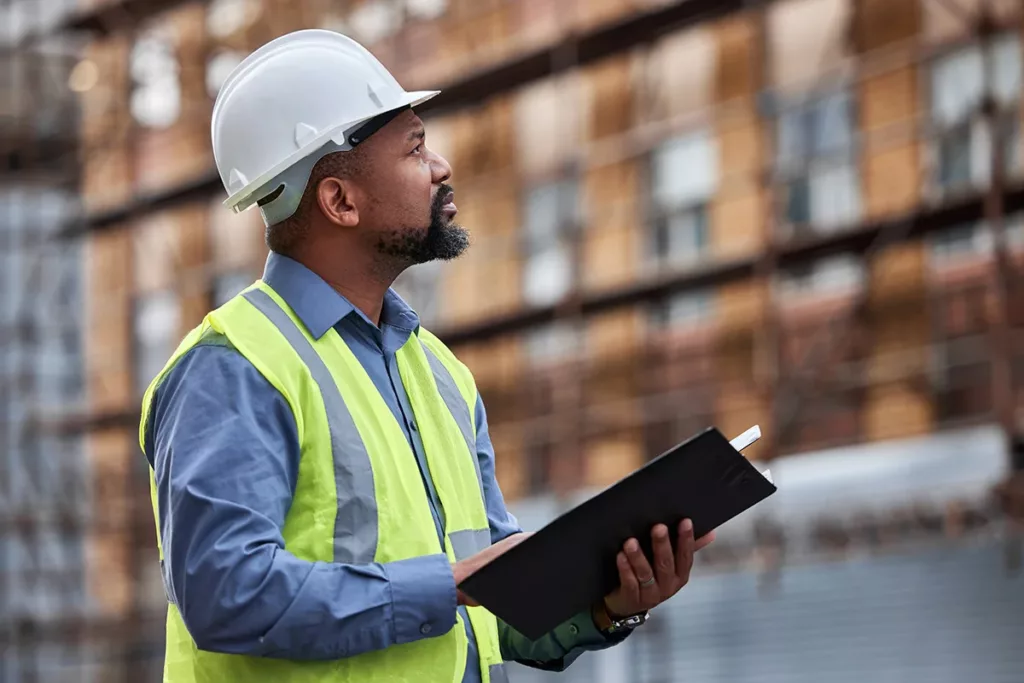
Good coordination and clear communication are key factors in the successful completion of building projects, as they guarantee that all stakeholders are aligned with the project's objectives and schedules. A commercial general contractor plays a pivotal role in facilitating this process by setting up defined communication channels among subcontractors, suppliers, clients, and architects. The contractor ensures that information regarding potential issues, modifications, and progress updates are communicated promptly and effectively.
Routine meetings and progress reports are essential to this management effort, facilitating the swift settlement of disputes and the modification of timelines when required. The contractor's skill in promoting teamwork among diverse teams enhances overall project efficiency and lessens miscommunications. In addition, the use of project management tools and technologies can make communication more efficient, guaranteeing everyone can view to the most current information. Ultimately, effective coordination and communication lead to better project results and party gratification in the construction industry.
Managing Budgets and Overseeing Finances
Managing finances and budgets is crucial to the successful completion of building projects, guaranteeing efficient resource allocation and costs are controlled. A commercial general contractor plays a pivotal role in this process by establishing precise budgets based on project scope and client expectations. They monitor expenditures throughout the duration of the project, noting discrepancies and performing needed modifications to steer clear of exceeding the budget.
The contractor also collaborates with subcontractors and suppliers to bargain contract terms, securing cost-effective rates while upholding standards of quality. Regular financial reporting and forecasting allow stakeholders to stay informed and take prompt action. Through the use of strict financial oversight, the contractor reduces potential issues associated with unforeseen expenses, maintaining the project's financial health. In the end, prudent fiscal management and oversight boost the likelihood of project success but also build confidence among stakeholders, paving the way for successful project completion.
Guaranteeing Standards of Safety and Quality
A thorough approach to ensuring safety and quality standards is essential in the construction industry, where the stakes are high and errors can be costly. General contractors in the commercial sector are key players in implementing rigorous safety protocols and standards of quality from start to finish. It is their duty to follow best practices, local regulations, and building codes, learn now which reduces potential hazards and enhance overall project integrity.
To achieve this, contractors often carry out routine site checks, check that safety procedures are followed, and supply regular workforce instruction. They also engage qualified subcontractors and suppliers who prioritize quality results, ensuring that materials and workmanship meet established standards. By promoting high standards of safety and quality, commercial general contractors safeguard their employees but also improve the lifespan and resilience of the buildings they construct, which yields positive project results and client satisfaction.
FAQs
What Experience is Necessary in a General Contractor?
When selecting a general contractor, one should consider their experience, references, licenses, portfolio, and insurance coverage - Hickory top rated Commercial General Contractor. Moreover, clear communication capacity and a history of successfully handling schedules and costs are vital for delivering a project successfully
How Should I Go About Picking the Right Contractor for My Project?
When picking a suitable contractor, one should assess their background, check references, look at previous work, confirm licenses and insurance, and ensure open lines of communication. A comprehensive interview stage can help assess alignment with project objectives.
What Are Common Challenges Faced by Commercial General Contractors?
Commercial general contractors often face challenges such as managing subcontractors, labor shortages, budget limits, scheduling issues, and compliance requirements. These difficulties have the potential to influence the overall quality, budget, and duration of the project if they are not handled well during the project life cycle.
How Do Contractors Handle Unexpected Issues During Construction?
When faced with unforeseen problems, contractors typically respond by quickly evaluating the situation, creating backup strategies, and communicating with stakeholders. Hickory top rated Commercial General Contractor. The staff often rely on their collective experience and cooperation to execute solutions, ensuring minimal disruption to the project's timeframe and financial plan
What's the Usual Schedule for a Commercial Building Project?

The average schedule for a commercial construction project spans several months to a few years, contingent upon factors such as the project's extent, complexity, permitting processes, and the availability of labor and materials.